Intralogistics processes are dynamic, complex, and characterised by close interaction between people, machinery, and goods. It is precisely here that critical situations arise daily, which can quickly lead to accidents or stoppages. Modern danger zone detection helps to identify these risks at an early stage and eliminate them preventatively – for greater safety and more efficient operations throughout the warehouse.
The greatest dangers arise where people, vehicles and infrastructure meet in close proximity. The following five areas are among the most common causes of accidents and damage in intralogistics. The overview shows where risks occur particularly often – and where danger zone detection offers the greatest benefit.
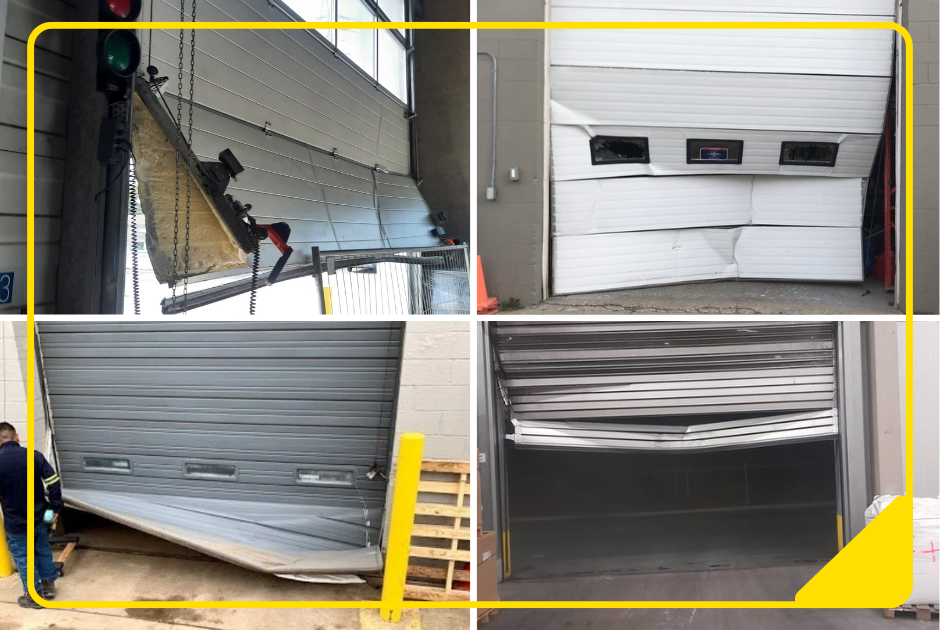
Gate passages and gate damage
High speeds and tight manoeuvres frequently lead to costly goal damage.
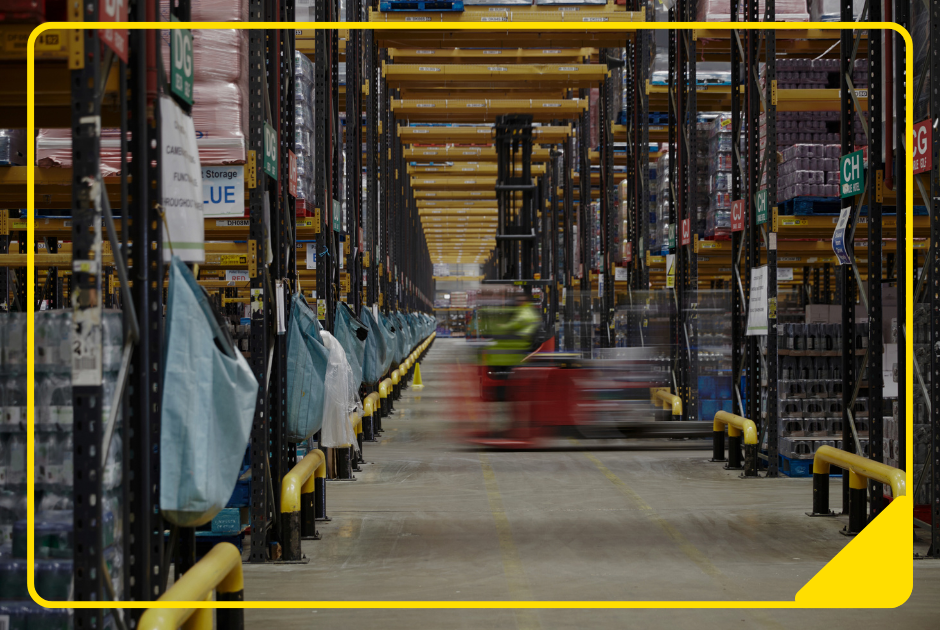
Junctions & Rack Aisles
Confusing paths make junctions a central collision risk.
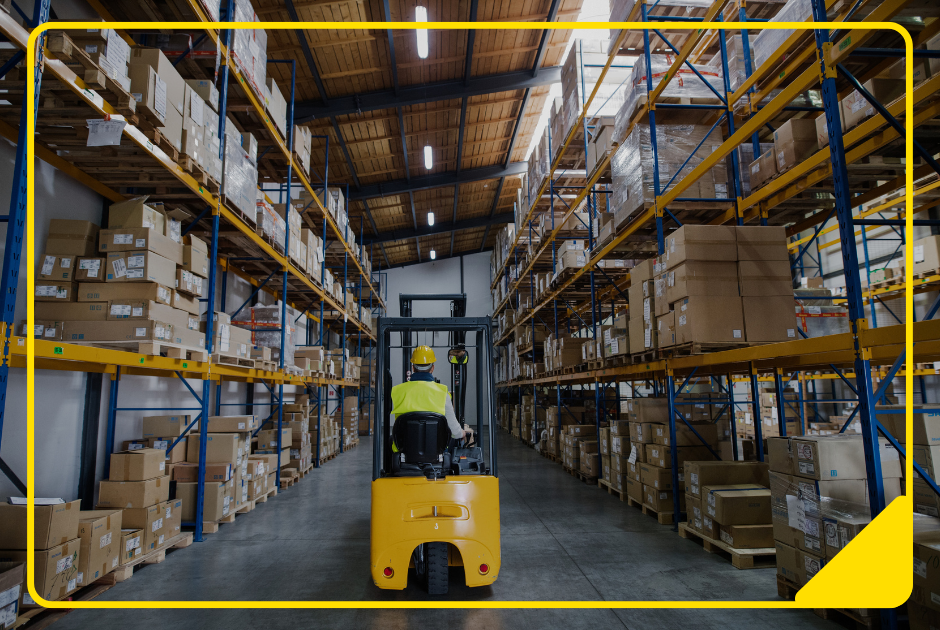
Narrowing & narrow routes
Narrow streets increase the risk of minor collisions during parking and critical manoeuvres.
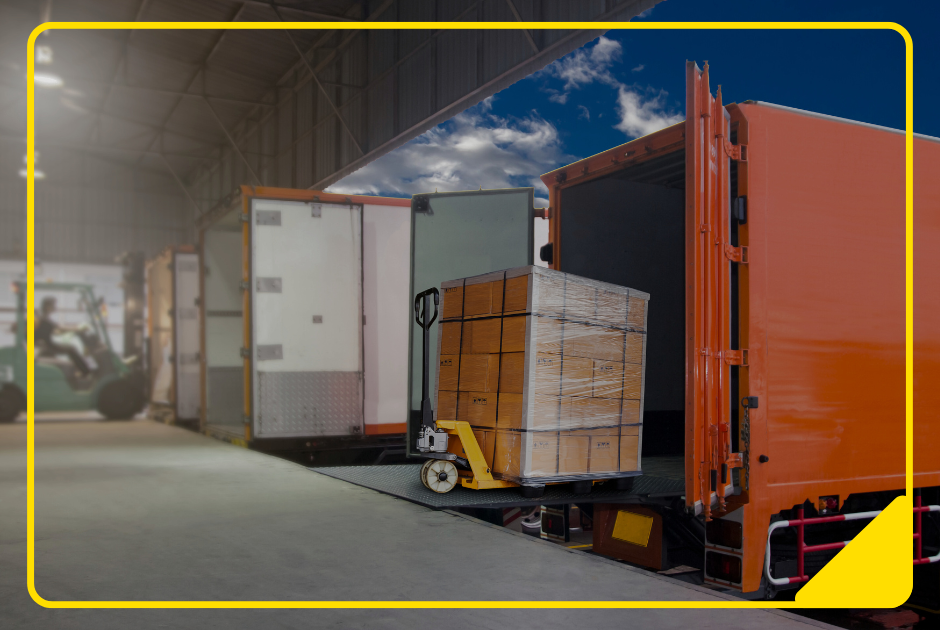
Reversing & Loading Bays
Restricted rear visibility causes many personal and vehicle damage incidents.
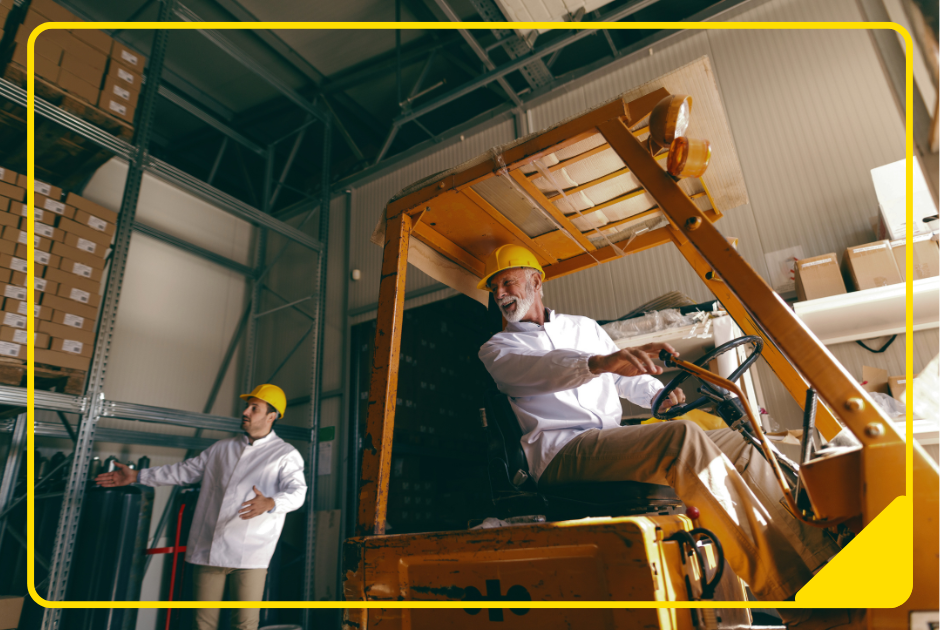
Mixed traffic zones (pedestrians and vehicles)
When pedestrians and vehicles mix, the risk of accidents increases significantly.
undaisuccessful areas in intralogistics, and at the same time, among the most expensive. Vehicles often pass through gates at higher speeds, visibility is restricted, priorities are unclear and staff move parallel to them in the transit area.
Collisions with gate leaves, guide rails or sensors happen so regularly that they are often automatically included in the annual budget. Even light impacts can lead to significant repair costs, long downtimes or malfunctions of automatic gate systems.
Typical risks
Loading dock passages are among the most accident-prone areas in intralogistics.
Restricted visibility when entering and exiting
Side collisions with door frames or sensors
Unclear right of way in mixed pedestrian and vehicular traffic
unconscious, costly routine damage to gate systems
Supportive Solutions
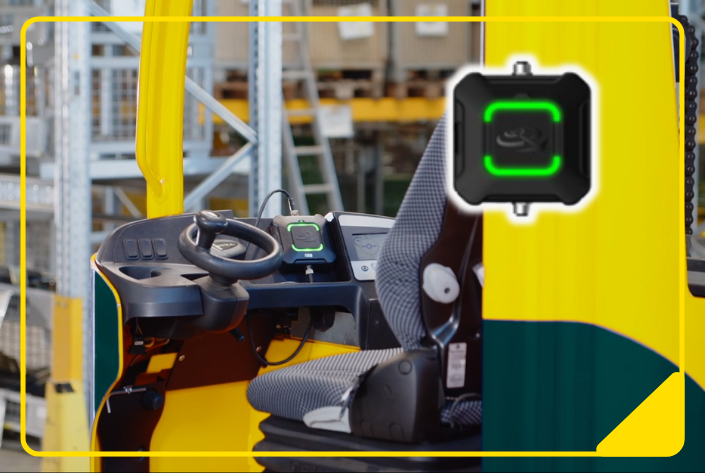
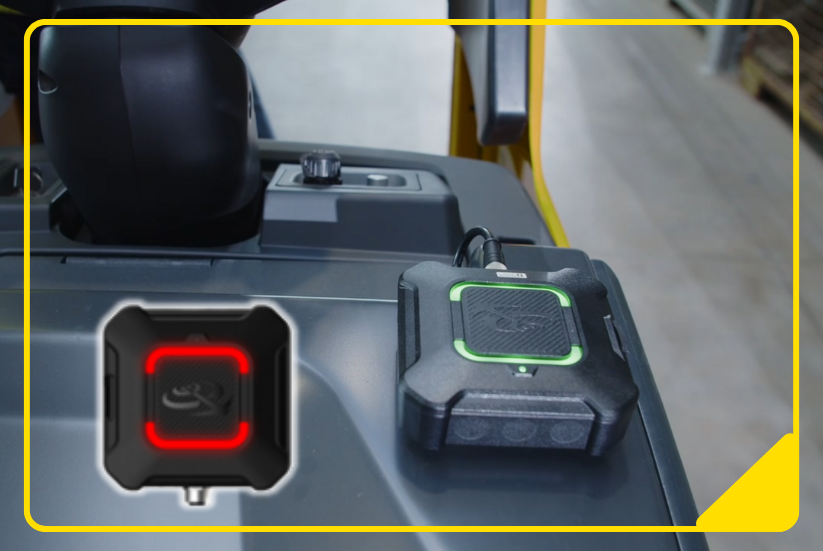
Funkbasierte Gefahrenbereichserkennung mit Gate-Funktion ermöglicht automatische Geschwindigkeitsreduzierung beim Ein- und Ausfahren, aktiviert Warnsignale und verhindert typische Torkontakte durch frühzeitige Reaktion.
Intersections are constantly busy and often difficult to see. Vehicles converge from multiple directions; at the same time, employees are also frequently moving through these areas.
Typical risks:
concealed view through shelves
Unclear right of way
Sudden changes in direction
Supportive Solutions
CrossIQ modules, AI cameras for person detection, wireless warning zones.
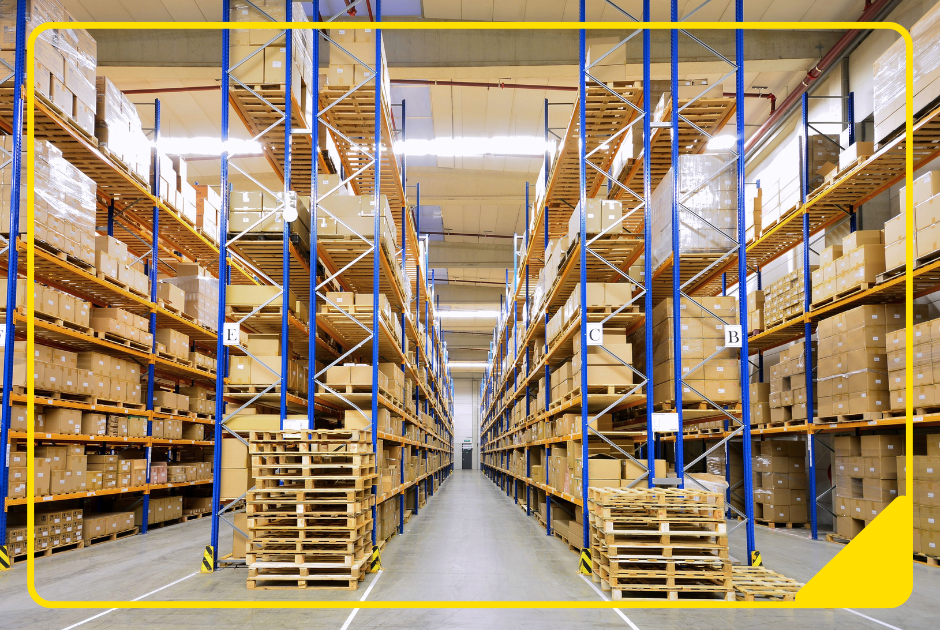
In narrow aisles or at shelf ends, vehicles must manoeuvre with millimetre precision. Even minor distractions can lead to costly collisions or dangerous situations.
Typical risks:
limited reaction time
High density of material and infrastructure
limited evasive options
Supportive Solutions
Zone-based warning systems, cameras for mast or load view, vehicle-side radio modules.
Reversing is a particularly critical manoeuvre because visibility is severely restricted and people behind the vehicle are often overlooked.
Typical risks:
blind spot
Missing view of people
high vehicle mass and short reaction times
Supportive Solutions
AI camera solutions such as AI-Eye, rear-view assistance systems, automatic speed reduction.
When employees and vehicles share the same space, the risk increases significantly. Unforeseeable movements, distraction, and a lack of guidance amplify the danger.
Typical risks:
spontaneous running movements
Distraction by noises, scanners, displays
Unclear traffic separation
Supportive Solutions
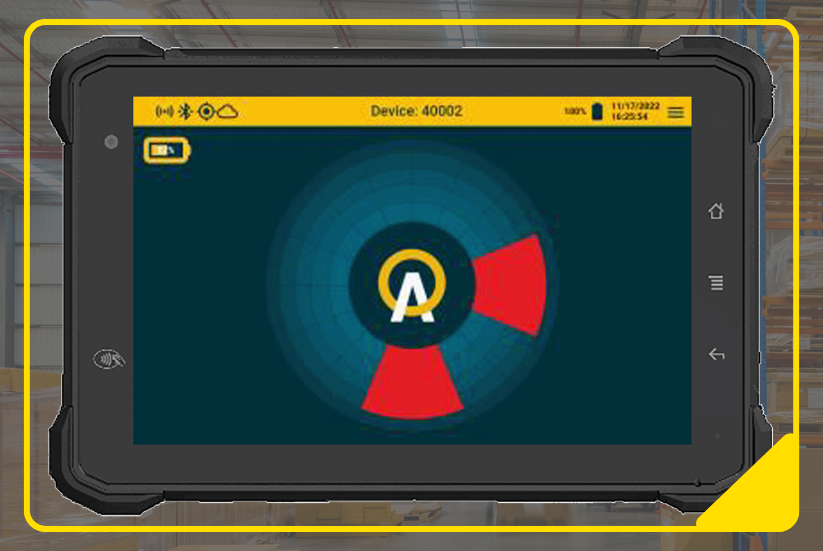
Personnel module, acoustic radio warnings, precise danger zone detection with warning and protection zones.
To effectively mitigate danger zones, systems are needed that understand daily life in the warehouse – and intervene where risks arise. Assistance systems take on precisely this role: they recognise people, vehicles and obstacles in real time, warn automatically and intervene when seconds count. Camera-based systems provide drivers with a clear view in confusing situations, while radio-based solutions monitor danger spots even without visual contact and network vehicles with infrastructure.
Together, they create a safety net that catches every critical moment, helping to sustainably reduce accidents, damage, and downtime. This way, safety becomes not an obligation, but a genuine efficiency factor in daily operations.

Every environment is different – that's why let's not create standard offers, but rather tailored security concepts.Following a brief preliminary discussion, we will visit you on-site to familiarise ourselves with your circumstances, operations, and priorities.
So you get an offer that is not only technically suitable but also makes economic sense.